
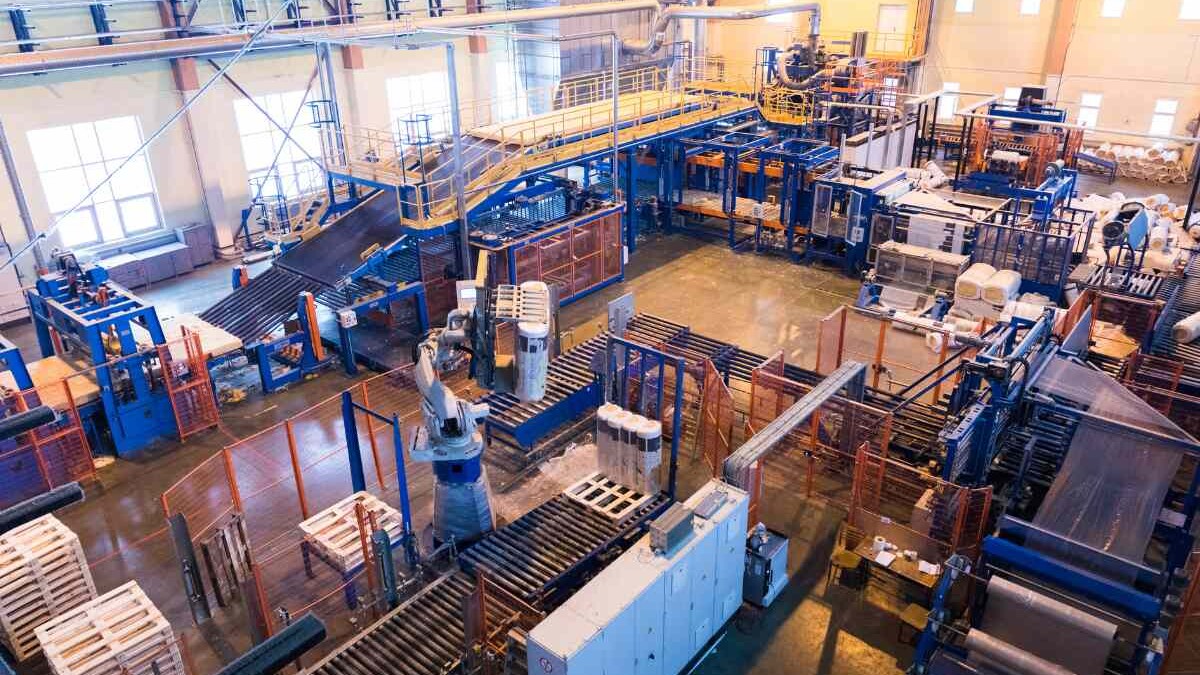
In the realm of manufacturing, precision, efficiency, and reliability are paramount. To achieve these goals, industries rely on an array of machinery and equipment that operate in demanding conditions. This is where lubricants step in as unsung heroes, playing a pivotal role in ensuring the smooth operation and longevity of the machinery that drives the manufacturing sector.
This comprehensive exploration delves into the multifaceted reasons why lubricants are indispensable for manufacturing industries, shedding light on their diverse applications, benefits, and the science behind their effectiveness.
Ensuring Smooth Operations: The Role of Lubricants
Lubricants are the unsung heroes that orchestrate the smooth and efficient performance of manufacturing operations across a spectrum of sectors. From precision engineering to heavy-duty production lines, the significance of these unassuming fluids cannot be overstated.
Through a comprehensive exploration of their impact on machinery maintenance, environmental conditions, compliance, and even noise reduction, we will uncover how lubricants are the silent partners that empower industries to thrive. By understanding their vital role and embracing the best practices in lubrication, manufacturing entities can optimize their processes, minimize downtime, and maximize efficiency, thus driving the engine of innovation and progress forward.
Friction Reduction and Wear Prevention
One of the primary functions of lubricants in manufacturing is to reduce friction between moving parts. Friction generates heat and causes wear and tear, which can lead to machine breakdowns and downtime. By creating a protective layer between components, lubricants minimize friction and prevent the excessive wear that could compromise the accuracy and performance of machinery.
Heat Dissipation
Manufacturing processes often generate significant amounts of heat, which can negatively impact machinery and components. Lubricants help dissipate heat, maintaining optimal operating temperatures and preventing thermal stress that could lead to deformation or failure of equipment.
Enhancing Equipment Longevity and Reliability
From precision tools to heavy-duty manufacturing lines, the principles of effective lubrication resonate across industries. By understanding the science behind lubrication and embracing best practices, manufacturers can not only ensure the optimal functioning of their equipment but also minimize downtime, reduce maintenance costs, and ultimately bolster their competitive edge. As we embark on this exploration of how lubricants contribute to the reliability and longevity of equipment, we illuminate the path to sustained success in the world of manufacturing.
Corrosion Protection
Many manufacturing environments expose machinery to harsh conditions, including moisture, chemicals, and pollutants. Lubricants provide a barrier against these corrosive elements, safeguarding components from rust and deterioration. This protection not only prolongs equipment life but also maintains the integrity of critical parts.
Reduced Maintenance and Downtime
Machinery downtime in manufacturing can lead to substantial financial losses. Proper lubrication significantly reduces the need for unscheduled maintenance, repairs, and component replacements. By keeping equipment running smoothly, lubricants contribute to uninterrupted operations and improved productivity.
Precision and Accuracy
This section delves into the symbiotic relationship between lubricants and manufacturing excellence, particularly in the context of precision and accuracy. We will delve into the science behind lubrication’s impact on reducing friction, minimizing wear, and facilitating controlled movements. As we navigate through the intricacies of how lubricants provide a cushion of protection that enables machines to execute tasks with pinpoint accuracy, we uncover their integral role in creating products that meet the highest standards of quality and precision.
From industries that produce microchips to those crafting complex machinery, lubrication stands as an essential element that bridges the gap between theoretical precision and real-world production. By exploring the ways in which lubricants contribute to minimizing errors, optimizing processes, and ensuring consistent outcomes, we unveil a fundamental aspect of manufacturing that often operates quietly but significantly shapes the landscape of excellence.
Consistent Performance
In industries where precision is vital, such as aerospace and electronics manufacturing, lubricants play a crucial role in maintaining consistent performance. Proper lubrication ensures that equipment operates within tight tolerances, minimizing variations and deviations that could affect the quality of manufactured products.
Noise Reduction
Precision machinery often operates at high speeds and under heavy loads, which can generate noise. Lubricants not only reduce friction-related noise but also help dampen vibrations, contributing to a quieter and more controlled manufacturing environment.
Factors Influencing Lubricant Choice
The choice of lubricants emerges as a pivotal decision that holds the potential to impact efficiency, performance, and even the bottom line. From the demanding requirements of specialized machinery to the nuanced needs of diverse industries, the factors influencing the selection of lubricants are as varied as the applications they serve.
Amidst the sea of available lubricant options, from mineral oils to synthetics, making the right choice requires a nuanced understanding of the interplay between equipment, processes, and operating environments. By unraveling the intricate dance between performance requirements and lubricant properties, we aim to empower manufacturers with the knowledge needed to navigate this crucial decision-making process. As we journey through the landscape of factors that guide lubricant selection, we illuminate a path towards enhanced productivity, optimized processes, and ultimately, manufacturing excellence.
Machinery Types and Applications
Different manufacturing processes require specialized equipment, each with unique lubrication needs. Whether it’s heavy-duty machinery used in metal fabrication or intricate instruments used in medical device manufacturing, selecting the right lubricant is essential for optimal performance.
Environmental Conditions
Manufacturing environments vary widely, from cleanrooms to heavy industrial settings. Lubricant formulations must take into account factors such as temperature, humidity, and exposure to chemicals to ensure effective lubrication and protection.
Compliance and Sustainability
The world of manufacturing is undergoing a profound transformation. As industries recognize the imperative of sustainable practices and responsible stewardship, every facet of operations is under scrutiny. Within this context, the selection and use of lubricants stand as a critical juncture where the principles of compliance and sustainability converge.
From avoiding environmental harm to enhancing brand reputation, the realm of compliance and sustainability in lubrication carries profound implications for industries across the board. As we delve into the mechanisms through which lubricant choices can promote both operational excellence and environmental responsibility, we invite readers to explore the dynamic realm where manufacturing meets ethical stewardship.
Regulatory Compliance
Manufacturing industries are subject to various regulations concerning worker safety, environmental impact, and product quality. Using appropriate lubricants that meet these regulations ensures compliance and minimizes potential legal and financial liabilities.
Environmental Considerations
As industries increasingly focus on sustainability, the choice of lubricants becomes important. Biodegradable and eco-friendly lubricants not only reduce the environmental footprint but also align with corporate sustainability initiatives.
Key Takeaways
The manufacturing landscape is characterized by its relentless pursuit of precision, efficiency, and quality. Lubricants serve as indispensable partners in this pursuit, enhancing machinery performance, extending equipment lifespan, and contributing to the overall success of manufacturing operations.
From reducing friction and wear to ensuring precision and compliance, the multifaceted roles of lubricants underscore their significance in every facet of the manufacturing process. As industries continue to evolve and innovate, the role of lubricants remains a constant factor in driving productivity, reliability, and sustainability across the manufacturing spectrum.