
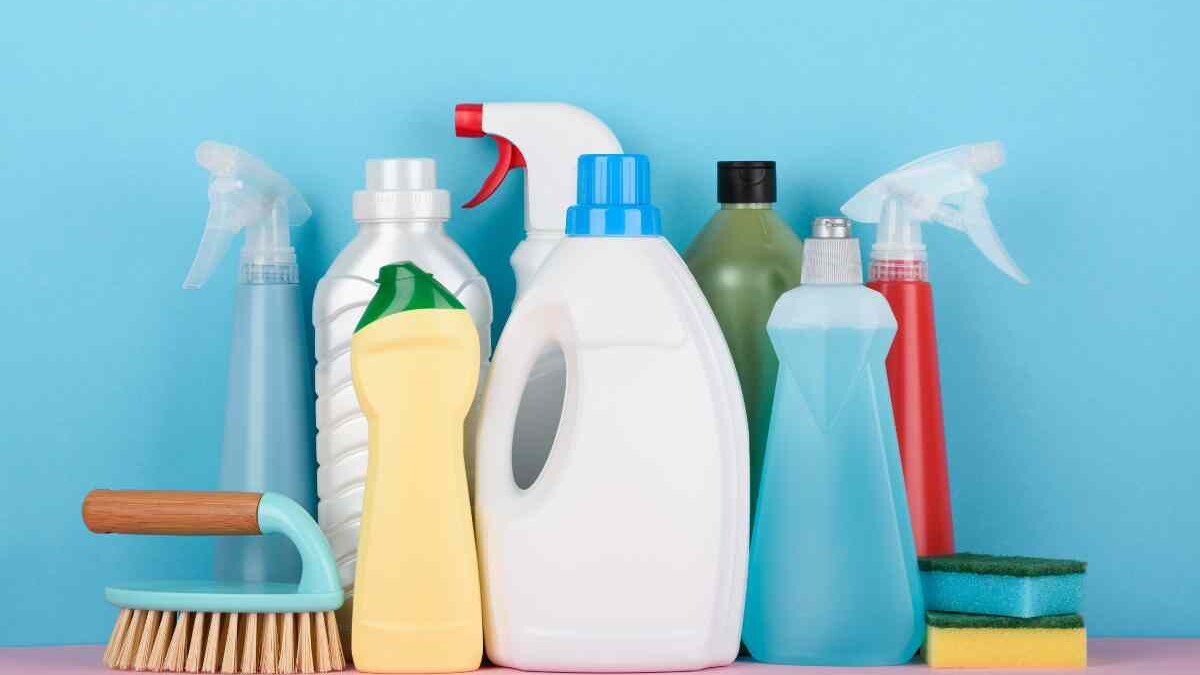
In the vast domain of lock maintenance, lubricants hold a prominent position. The vitality, efficiency, and longevity of these essential substances, however, can be substantially influenced by how they are stored. This article aims to illuminate the reader on the intricacies of storing lubricants, with a particular focus on lock lubricants, efficiently and effectively.
A comprehensive understanding of proper storage practices can be a game-changer for the lock maintenance routine, contributing to the durability and effectiveness of the locks that secure our homes, businesses, and valuables. The upcoming section details the ideal techniques for storing lubricants, meticulously detailing each aspect.
From the importance of choosing the right environment to the relevance of using appropriate containers and effective sealing methods, we cover it all, setting you up for success in maintaining the quality of your lock lubricants over time.
Best Practices for Storing Lubricants
In the realm of maintaining lubricants at their peak performance level, appropriate storage is a factor that cannot be dismissed. The ensuing section details the optimal practices for lubricant storage. By adhering to these guidelines, you can significantly extend the lifespan of your lubricants, thus preserving their quality and efficacy for when you need them the most.
We’ll delve into various aspects such as the ideal storage environment, the significance of using correct containers, and the need for proper sealing.
Optimal Storage Environment
The optimal storage environment for your lubricants, including lock lubricants, is a factor of great importance. Ideally, lubricants should be stored in a cool, dry place away from direct sunlight, as heat and UV radiation can degrade their quality over time. Temperature fluctuations should be minimized to prevent condensation which can lead to water contamination.
Additionally, the storage area should be well-ventilated to prevent the buildup of any potentially harmful fumes. Lastly, always ensure that your lubricants are stored away from dust, dirt, and other contaminants that could affect their performance. Proper storage conditions significantly contribute to the longevity and effectiveness of your lubricants.
Correct Containers
The importance of choosing the correct containers for storing lubricants can’t be overstated. Ensuring your lubricants are stored in suitable containers not only maintains their efficacy but also plays a critical role in preventing potential contamination, which could severely impact the functionality of the lubricant and, subsequently, the equipment it is applied to.
Lubricants, including those used in lock maintenance, should ideally be stored in their original packaging until it’s time to use them. This packaging is designed specifically for the product, helping maintain its stability, prevent exposure to harmful elements, and provide pertinent information regarding its usage, storage, and disposal.
However, selecting the appropriate storage containers becomes crucial when it is impractical to keep the lubricants in their original packaging, perhaps due to large quantities or limited storage space. The ideal containers should be both chemically inert to the lubricant and airtight to avoid unwanted exposure to air and moisture.
Proper Sealing
Proper sealing is an aspect that cannot be compromised when it comes to storing lubricants, particularly those used in lock maintenance. An inadequately sealed container is a door to a host of problems, ranging from contamination to unnecessary wastage. It also significantly maintains the lubricant’s efficacy and longevity, as air exposure can trigger oxidative degradation.
Air exposure oxidizes the lubricant and introduces moisture, which can further affect the lubricant’s functionality. In the context of lock lubricants, moisture can cause freezing in colder climates or promote rusting, both of which can hamper the lock’s smooth operation. Hence, ensuring a tight seal on your lubricant containers is essential to prevent air and moisture intrusion.
Also, certain lubricants are sensitive to light exposure, particularly ultraviolet light, which can degrade the lubricant’s quality over time. Hence, proper sealing and storing in a light-protected environment become paramount.
It’s equally crucial to inspect the seal each time the lubricant is used. Over time, seals can wear out or become damaged, rendering them ineffective. If there’s any doubt about the integrity of a seal, it’s wise to replace it immediately. With careful sealing and regular inspections, you can ensure your lubricants, especially those crucial for your locks, retain their prime condition and efficacy for a long time.
Common Mistakes in Lubricant Storage
Diving into the world of lubricant storage, it’s just as crucial to know what not to do as it is to understand the best practices. The section “Common Mistakes in Lubricant Storage” explores the typical errors that individuals and organizations make when storing lubricants. These common pitfalls could negatively affect the efficacy and lifespan of your lubricants, including those used for lock maintenance, and lead to compromised performance or even damage to the equipment where they are applied.
From improper temperature control to disregard for contamination risks, we’ll highlight these mistakes and illustrate the consequences they might bring about. This section provides an essential resource for anyone seeking to ensure their lubricants serve their purpose efficiently and for an extended period, significantly improving the longevity and functionality of their locks or any other machinery they’re using the lubricants for.
Mixing Different Lubricants
One common mistake is mixing different types of lubricants. Even if two lubricants are similar, they may have different properties that can react negatively when mixed, compromising their effectiveness.
Ignoring Expiration Dates
Another mistake is ignoring the expiration dates of lubricants. Like many other substances, lubricants have a shelf life, and using them beyond this period can result in diminished performance or even damage to the machinery in which they are used.
Storing Near Chemicals or Hazardous Materials
Storing lubricants near chemicals or hazardous materials is a mistake to avoid. These substances can contaminate the lubricant or cause reactions that could harm both the lubricant and the equipment it is intended for.
Key Takeaways
The way we store our lubricants can greatly impact their overall effectiveness and lifespan. By following the best practices of storage, which encompass proper sealing, choosing the correct containers, maintaining the optimal storage environment, and practicing proper handling procedures, we can ensure that our lubricants perform at their peak for a long period.
On the other hand, common mistakes such as improper sealing, poor choice of containers, poor storage environment, and lack of handling protocols can compromise the quality of our lubricants and reduce their effectiveness, even rendering them useless over time. These mistakes can also pose potential safety hazards.
To enjoy the optimal performance of your lubricants, it’s crucial to invest time and attention in their storage methods. Properly stored lubricants not only perform better but can also save you unnecessary expenses in the long run due to wastage of degraded lubricants. Always remember, the lifespan of your lubricants is significantly extended by good storage habits.