
In the pursuit of a more sustainable future, every avenue that leads to reduced energy consumption and enhanced efficiency is being explored. Amid this global quest, an often-overlooked yet vital player emerges: lubricants. These unassuming substances, commonly associated with machinery maintenance, have a profound impact on energy conservation across diverse industries. The intricate relationship between lubricants and energy conservation goes beyond mere friction reduction; it encompasses the intricacies of wear prevention, heat management, and optimized performance.
This article delves deep into the multifaceted world of lubricants, unraveling their significant role in the realm of energy conservation. Through careful exploration of the mechanisms, benefits, and real-world applications, we illuminate how these seemingly mundane substances are instrumental in driving sustainability and resource efficiency.
From the microcosm of moving machinery parts to the macrocosm of global energy consumption, lubricants are catalysts of change. As we delve into their crucial role in energy conservation, we’ll uncover how their strategic application contributes to reduced energy wastage, extended equipment lifespans, and ultimately, a greener and more sustainable world. Through this exploration, we bridge the gap between lubrication science and environmental stewardship, revealing the hidden power of lubricants in our ongoing pursuit of a sustainable future.
The Role of Lubricants in Energy Conservation
Lubricants, often viewed as essential elements in the machinery maintenance toolkit, hold a far more significant role in the realm of energy conservation than commonly acknowledged. Beyond their primary function of reducing friction and wear between moving parts, lubricants impact energy consumption and efficiency in intricate ways. This section delves into the various dimensions of lubricants’ influence on energy conservation, shedding light on their ability to enhance operational efficiency, reduce energy waste, and contribute to the broader goal of sustainability.
As we navigate through the complexities of lubrication science and its connection to energy conservation, we uncover how proper lubrication strategies can lead to substantial reductions in energy consumption, extended equipment lifespans, and lowered environmental footprints. From industrial settings to everyday applications, understanding the role of lubricants in energy conservation equips us with valuable insights to make informed choices and drive positive change in our efforts to conserve energy and preserve the planet.
1. Friction Reduction
One of the primary functions of lubricants is to minimize friction between surfaces in contact. Friction leads to energy loss in the form of heat, which requires additional energy input to overcome. By effectively lubricating components, the frictional forces can be significantly reduced, leading to improved energy efficiency.
2. Wear Prevention
Lubricants create a protective barrier that prevents direct metal-to-metal contact between components. This protective layer reduces wear and tear on equipment, ensuring that it operates smoothly and efficiently over time. Reduced wear translates to less energy needed to compensate for damaged or inefficient parts.
3. Heat Dissipation
Properly formulated lubricants have the ability to dissipate heat generated by moving parts. Excessive heat can lead to energy loss and decreased efficiency. By efficiently dissipating heat, lubricants contribute to maintaining optimal operating temperatures and, consequently, energy conservation.
The Benefits of Lubricants in Energy Conservation
Lubricants, often associated with smoother machinery operation, also play a pivotal role in achieving energy conservation goals across various sectors. In this section, we explore the multifaceted benefits of using lubricants as tools for enhancing energy efficiency and minimizing waste. From minimizing friction-induced energy losses to enabling optimized machinery performance, the advantages of employing the right lubrication practices extend far beyond basic equipment maintenance.
By delving into the ways lubricants contribute to energy conservation, we uncover the mechanisms behind reduced power consumption, prolonged equipment lifespan, and improved overall system efficiency. Understanding these benefits not only empowers industries to achieve higher sustainability standards but also enables individuals to make eco-conscious decisions in their everyday use of machinery.
1. Improved Equipment Efficiency
Well-lubricated machinery operates with reduced friction, allowing components to move freely and efficiently. This improved efficiency translates to lower energy consumption and longer equipment lifespan.
2. Energy Savings
Minimized friction and wear directly lead to reduced energy consumption. Machinery and vehicles that run smoothly and experience less internal resistance require less energy to perform their tasks, resulting in cost savings and reduced environmental impact.
3. Extended Maintenance Intervals
Proper lubrication reduces the need for frequent maintenance and repairs. This not only saves time and money but also reduces the energy required for servicing equipment and replacing worn-out parts.
Real-World Applications
By examining how lubricants are harnessed to optimize performance, reduce energy consumption, and ensure safety in various contexts, we gain insight into the practical impact of effective lubrication strategies. Whether it’s enhancing the efficiency of manufacturing processes or extending the life of intricate mechanisms, the real-world applications of lubricants highlight their indispensable contribution to smooth operations and sustainable practices across a spectrum of sectors.
1. Automotive Industry
In the automotive sector, using high-quality lubricants in engines, transmissions, and other critical components leads to reduced friction and enhanced fuel efficiency. Vehicles running on well-lubricated engines consume less fuel, ultimately contributing to energy conservation and reduced emissions.
2. Manufacturing Plants
Industrial machinery in manufacturing plants relies on efficient lubrication to minimize energy losses caused by friction and heat. Proper lubrication practices in conveyor belts, gears, and bearings can significantly improve the overall energy efficiency of manufacturing processes.
3. Renewable Energy Systems
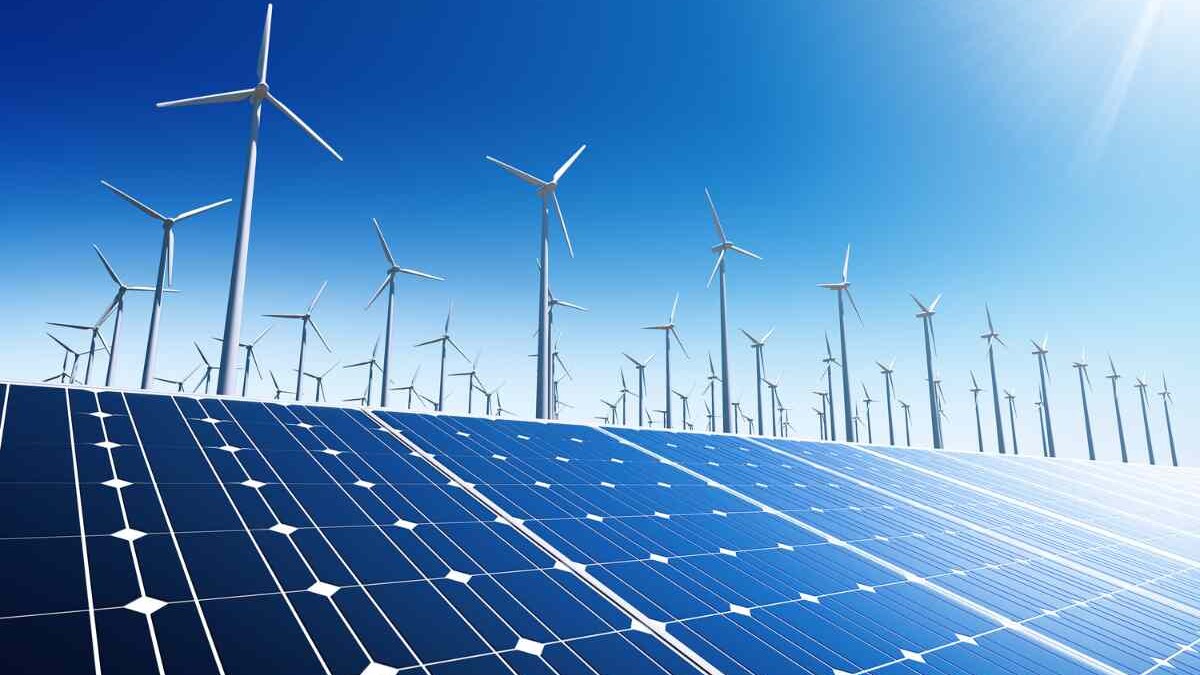
In the realm of renewable energy, lubricants play a crucial role in maintaining the performance of wind turbines, solar panels, and hydroelectric systems. Well-lubricated components in these systems ensure smooth operation, reducing energy wastage due to inefficiencies.
Challenges and Considerations
While the benefits of lubricants in energy conservation are evident, selecting the right lubricant for a specific application is essential. Factors such as temperature, load, and environmental conditions must be considered to ensure optimal performance and energy savings. Additionally, regular monitoring and maintenance are crucial to maintain the desired level of energy efficiency over time.
Key Takeaways
The impact of lubricants on energy conservation is undeniable. By minimizing friction, preventing wear, and dissipating heat, lubricants contribute to improved equipment efficiency, energy savings, and extended equipment lifespan. From automotive industries to manufacturing plants and renewable energy systems, the role of lubrication in energy conservation is evident across various sectors.
As industries continue to prioritize sustainability and energy efficiency, the proper selection and application of lubricants will play a pivotal role in achieving these goals.