
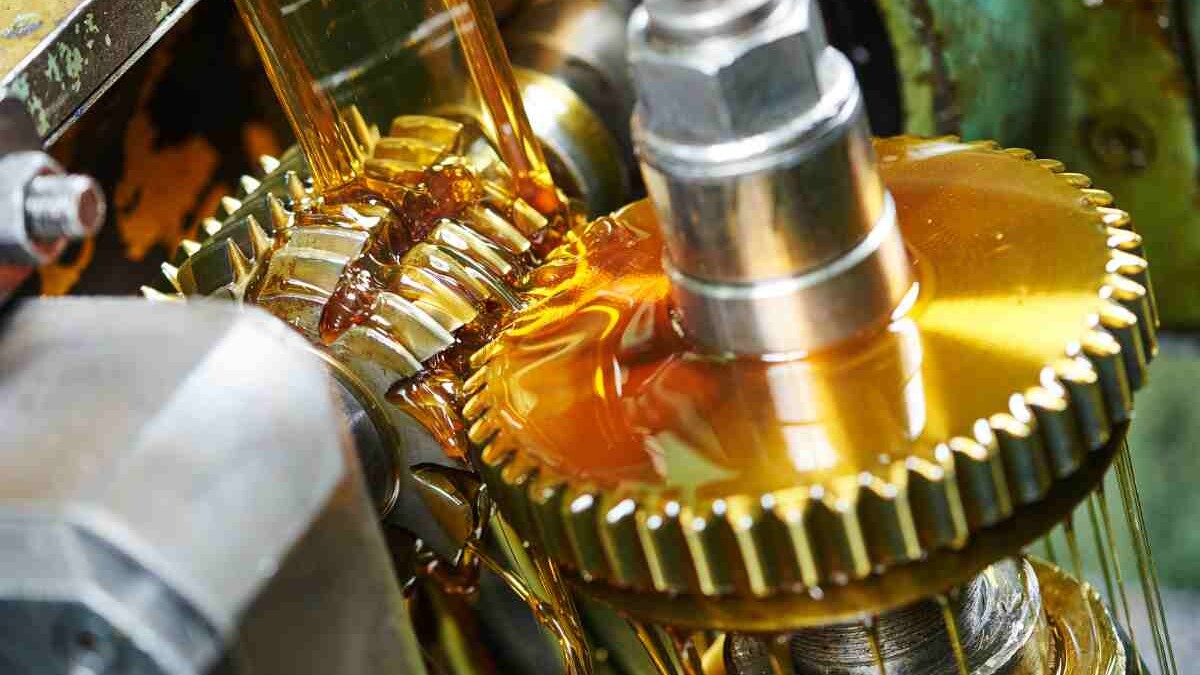
Machine lubrication is critical in rotating equipment’s efficiency, performance, and equipment. It involves the application of lubricants, such as oils and greases, to reduce friction and allow smooth movement between machine parts. While often overlooked, proper lubrication is essential for preventing wear, reducing energy consumption, and minimizing maintenance costs.
In this comprehensive guide, we will explore the significance of machine lubrication in enhancing equipment efficiency. We will delve into various aspects of lubrication, including its functions, types, and the advantages of automatic lubrication systems.
By understanding the importance of lubrication and implementing effective lubrication practices, you can optimize the performance and reliability of your machinery.
Understanding Lubrication
Lubrication can be defined as the process of applying oily or greasy substances, known as lubricants, to minimize friction and facilitate smooth movement between machine components. The primary functions of lubricants include reducing friction, preventing wear, corrosion protection, cooling, sealing, and cleaning.
Manual vs. Automatic Lubrication
Lubrication can be performed manually or automatically, each with advantages and disadvantages.
Manual Lubrication
Manual lubrication involves the intervention of a technician using tools like grease guns to apply lubricants to machine parts. However, this method has several shortcomings, including increased machine downtime, inconsistent lubrication, and high maintenance costs.
Manual lubrication often leads to inadequate or excessive lubrication, both of which can have detrimental effects on equipment performance.
Automatic Lubrication
On the other hand, automatic lubrication systems provide a more efficient and reliable solution. These systems deliver the appropriate amount of lubricant to the right place at the right time, often while the machine operates.
By replacing conventional lubrication methods, automatic lubrication systems offer numerous benefits, including extended equipment life, reduced wear, and smaller maintenance bills. They ensure consistent and optimal lubrication, avoiding both under-lubrication and over-lubrication.
The Impact of Lubrication on Energy Efficiency
While improving energy efficiency in operations often focuses on areas like lighting and HVAC systems, lubrication is an often-overlooked opportunity to reduce energy consumption. Proper lubrication can significantly enhance a machine’s mechanical efficiency by reducing friction at moving surfaces and minimizing fluid losses from oil churn and pumping.
In many industries, process equipment accounts for a substantial portion of total energy consumption. Therefore, even minor equipment efficiency improvements achieved through effective lubrication can significantly impact overall energy usage.
Steps to Harness Lubrication for Energy Savings
To take advantage of lubrication for energy savings, industrial operators should follow these three essential steps:
Step 1: Evaluate and Measure the Lubrication-Related Energy Savings Opportunity
Before switching to a new lubricant, assessing the scope of the energy savings opportunity is crucial. This involves defining energy savings goals, collecting information about the target application, and establishing key indicators and measurement parameters.
Step 2: Explore High-Performance Lubricants for Energy Efficiency Benefits
Not all lubricants offer energy efficiency benefits. Operators should collaborate with lubricant suppliers to identify high-performance lubricant technologies suitable for their specific applications. For example, switching to energy-efficient greases or hydraulic oils can substantially reduce energy consumption in electric motors or hydraulic systems.
Choosing lubricants verified as energy-efficient by reliable sources and aligning with the equipment manufacturer’s recommendations is essential.
Step 3: Implement Continuous Monitoring for Optimal Performance
Continuous monitoring of lubricants is crucial in sustaining long-term performance and energy savings, . Used oil analysis (UOA) is a valuable tool for identifying wear metals, contaminants, and changes in key performance parameters. By implementing a regular UOA program, operators can address lubrication issues proactively and optimize equipment efficiency. Continuous monitoring also allows for early detection of potential machinery damage and timely maintenance interventions.
The Role of Ultrasound Technology in Lubrication Maintenance
Ultrasound technology has become valuable for monitoring lubrication flaws and assessing bearing conditions. It improves machine reliability, enhances production line efficiency, and reduces production and maintenance costs.
Key Takeaways
Machine lubrication is a critical aspect of equipment reliability and performance optimization. It reduces friction, prevents wear, and provides corrosion protection, ultimately extending the life expectancy of machinery. Industrial operators can achieve significant energy savings and reduce maintenance costs by embracing proper lubrication practices, such as switching to automatic and high-performance lubrication systems. Continuous monitoring, including ultrasound technology, ensures the ongoing effectiveness of lubrication, leading to enhanced efficiency, safety, and quality control.
To capitalize on the benefits of machine lubrication, it is essential to partner with experienced suppliers of technical equipment who can provide customized testing and inspection solutions. By adopting a comprehensive lubrication maintenance program and leveraging advanced technologies, you can maximize the reliability and profitability of your operations.
Contact Lock Saver today to explore how their ultrasonic test equipment and expertise can help you optimize your lubrication practices and achieve superior machinery performance.